
What's the Most Expensive Dog to Own?
The Tibetan Mastiff is often cited as the most expensive dog to own, with purchase prices ranging from $2,000 to over $1 million for a record-breaking red Tibetan Mastiff. However, breeds like the Samoyed, French Bulldog, and English Bulldog also carry high ownership costs due to rarity, health issues, and breeding expenses.
What's the most expensive dog to own? The top breeds by price
When people ask about the most expensive dog to own, they usually mean the purchase price. But the true cost of a dog goes far beyond the initial sale. Below are some of the most expensive dog breeds to buy, with general price ranges that vary widely depending on lineage, location, and demand.
| Breed | Typical Purchase Price (USD) | Why It's Expensive |
|---|---|---|
| Tibetan Mastiff | $2,000 – $10,000+ (some have sold for much more) | Rare, historically significant, and massive size |
| Samoyed | $1,500 – $6,000 | Fluffy coat, friendly temperament, and popularity |
| Chow Chow | $1,000 – $5,000 | Distinctive appearance and lion-like mane |
| English Bulldog | $1,500 – $4,000 | High breeding costs due to artificial insemination and C-sections |
| French Bulldog | $1,500 – $8,000 | Trendy, small size, and similar breeding challenges |
| Rottweiler | $1,000 – $5,000 | Strong working lineage and protective instincts |
These ranges are general; some individual dogs have sold for six or even seven figures, but those are outliers. The most expensive dog ever sold was a Tibetan Mastiff reportedly purchased for about $1.5 million in China, though such prices are not typical.


Why do some dogs cost a fortune? The real reasons behind the price tags
Several factors drive up the price of certain breeds, and understanding them helps you decide if the cost is justified.
| Factor | Why It Matters | Typical Impact on Price |
|---|---|---|
| Rarity | Fewer breeders = higher demand = higher price | Can double or triple the cost |
| Breeding difficulty | Some breeds need artificial insemination or C-sections (e.g., French Bulldogs) | Adds $1,000–$5,000 to puppy cost |
| Health issues | Breeds with known genetic problems are riskier for breeders | Increases purchase price to cover vet costs |
| Cultural significance | Tibetan Mastiffs are status symbols in China; Samoyeds are rare in the US | Can push prices to $1 million+ for top lines |
| Popularity trends | French Bulldogs surged in demand after celebrity ownership | Prices rose 50–100% in a decade |
Remember, the purchase price is just the beginning. The most expensive dog to own over its lifetime may be a breed with high vet bills, not a high initial tag.
Why do some dogs cost a fortune? The real reasons behind the price tags
Several factors drive up the price of certain dog breeds. Understanding these can help you see why some dogs are so expensive.
| Factor | Why It Matters | Typical Range (General) |
|---|---|---|
| Rarity | Fewer puppies available means higher demand and price. | Varies widely |
| Breeding costs | Some breeds require artificial insemination or C-sections, raising costs. | Varies |
| Health testing | Responsible breeders test for genetic conditions, adding to the price. | Varies |
| Cultural significance | In some regions, certain breeds are status symbols. | Varies |
| Demand and trends | Popularity can inflate prices temporarily. | Varies |
These factors combine to make some breeds cost more upfront. But remember, the purchase price is just the beginning.
Are these dogs really rare, or just hyped?
Rarity and hype often overlap, but they're not the same. Some breeds are genuinely rare due to low population numbers, while others are expensive because of trendy demand. Here's a breakdown to help you separate fact from fashion.
| Breed | Rarity Level | Hype Factor | Why It's Priced High |
|---|---|---|---|
| Tibetan Mastiff | Genuinely rare | High (celebrity purchases) | Limited breeding, cultural significance |
| Samoyed | Moderately rare | Medium (social media appeal) | Distinctive look, friendly nature |
| Chow Chow | Not very rare | Medium (trendy in some circles) | Appearance, independent temperament |
| English Bulldog | Not rare | High (status symbol) | Breeding difficulties, health issues |
| French Bulldog | Not rare | Very high (urban trend) | Popularity, limited litters |
| Rottweiler | Not rare | Low | Working ability, strength |
| German Shepherd | Not rare | Low | Versatility, demand for working lines |
Just because a breed is expensive doesn't mean it's rare. Some breeds are pricey because they're fashionable, and that can change. If rarity matters to you, research breed-specific rescue groups and breed clubs to understand true population numbers.
Directions to our animal hospital in Berkeley from Rose Pizzeria
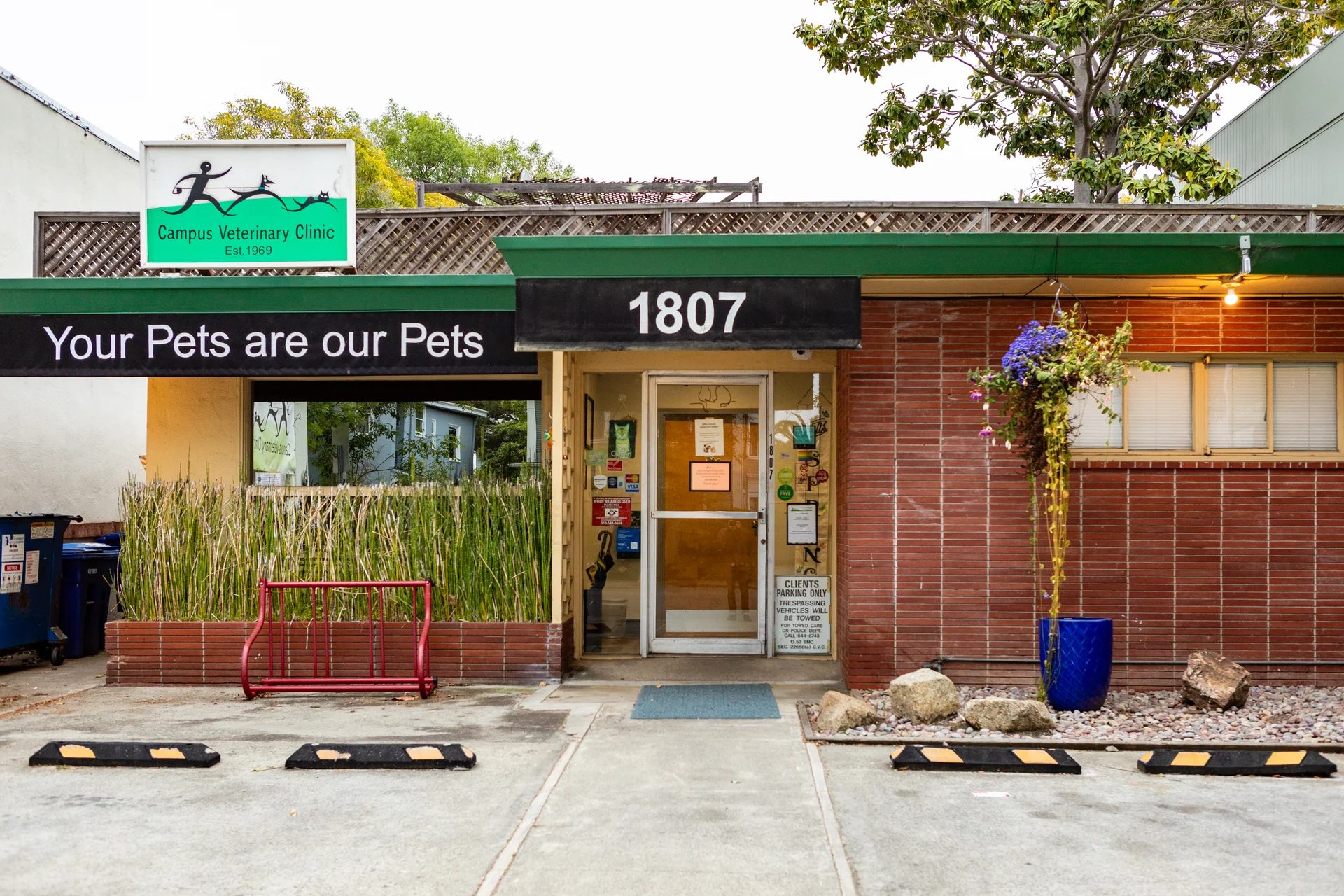
Start at Rose Pizzeria and head to Campus Veterinary Clinic at 1807 Martin Luther King Jr Way, Berkeley, CA 94709.
Are these dogs really rare, or just hyped?
Some expensive breeds are genuinely rare, but others are simply trendy. Here's how to tell the difference.
- True rarity: Breeds with small gene pools or limited geographical distribution, like the Tibetan Mastiff, are genuinely uncommon.
- Hype-driven prices: Breeds like French Bulldogs have seen price spikes due to social media popularity, not necessarily scarcity.
- Verifying claims: Always ask breeders for health clearances and pedigree documentation. If a price seems too high without justification, it might be hype.
Do your research and talk to a veterinarian if you're unsure about a breed's true rarity or health status.
Is the Tibetan Mastiff the most expensive dog to own?
The Tibetan Mastiff often headlines as the world's most expensive dog, with some individual sales reportedly reaching astronomical figures. But is it really the most expensive to own? Let's compare.
| Breed | Purchase Price | Annual Care Cost (varies) | Lifetime Cost (varies) |
|---|---|---|---|
| Tibetan Mastiff | Very high (can exceed $10,000) | High (large dog, grooming, health) | Very high |
| Samoyed | High | Moderate (grooming, health) | High |
| Chow Chow | Moderate | Moderate (grooming, health) | Moderate |
| English Bulldog | High | Very high (health issues) | Very high |
| French Bulldog | High | High (health issues) | High |
| Rottweiler | Moderate | Moderate (size, health) | Moderate |
| German Shepherd | Moderate | Moderate (health, training) | Moderate |
While the Tibetan Mastiff can have a jaw-dropping purchase price, its ongoing care costs are comparable to other large breeds. The English Bulldog, for example, often incurs higher lifetime veterinary expenses due to brachycephalic syndrome and other health issues. So, the "most expensive to own" title depends on whether you're counting the initial sale or the long-term commitment.
Is the Tibetan Mastiff the most expensive dog to own?
The Tibetan Mastiff often tops lists of expensive dogs due to a few record-breaking sales. However, it's not always the most expensive to own overall. While the purchase price can be high, other breeds may cost more over a lifetime due to health issues or grooming needs.
For example, English Bulldogs and French Bulldogs often require expensive veterinary care for breathing problems and skin infections, which can add up. Tibetan Mastiffs, on the other hand, are generally healthier but need more food and space.
So, while the Tibetan Mastiff may hold the record for the highest purchase price, it's not necessarily the most expensive to own when you factor in lifetime costs.
Which high-priced breed fits your home and lifestyle?
Choosing among expensive breeds isn't just about the price tag. Your living space, activity level, and experience with dogs matter. Here's a quick comparison to help you narrow it down.
| Breed | Best For | Considerations |
|---|---|---|
| Tibetan Mastiff | Large homes with yards, experienced owners | Independent, protective, needs space |
| Samoyed | Active families, cold climates | High grooming needs, loves to run |
| Chow Chow | Calmer households, apartment dwellers (if exercised) | Can be aloof, early socialization essential |
| English Bulldog | Apartment living, low-energy owners | Prone to breathing issues, needs moderate exercise |
| French Bulldog | City dwellers, first-time owners | Small, adaptable, but may have health issues |
| Rottweiler | Active owners, homes with space | Strong, needs training and socialization |
If you live in an urban area like Berkeley, smaller breeds like French Bulldogs or Chows may adapt better to apartment life. Larger breeds like Tibetan Mastiffs or Rottweilers need more room and exercise. Consider your daily routine and whether you can meet their needs.
The true cost of owning an expensive dog: it's not just the sticker price
When asking what's the most expensive dog to own, many people forget the ongoing costs. Here's a breakdown of what you'll spend over a dog's lifetime (10–15 years).
| Expense | Annual Cost (General Range) | Notes |
|---|---|---|
| Food | $500 – $2,000 | Large breeds eat more; prescription diets cost more |
| Routine vet care | $500 – $1,500 | Vaccinations, checkups, dental cleaning |
| Grooming | $300 – $1,200 | Samoyeds and Pharaoh Hounds need professional grooming |
| Pet insurance | $600 – $1,800 | Breeds with health issues cost more to insure |
| Emergency vet visits | $1,000 – $5,000+ | Can happen anytime; varies widely |
The most expensive dog to own over its lifetime is often a breed with chronic health problems. For example, a French Bulldog may cost $10,000–$20,000 in vet bills over its life. Always budget for the unexpected.
The true cost of owning an expensive dog: it's not just the sticker price
Beyond the purchase price, owning any dog involves ongoing expenses. For expensive breeds, these can be higher due to specific needs.
| Expense | Why It Matters | Typical Range (General) |
|---|---|---|
| Food | Large breeds eat more, and premium food costs more. | Varies |
| Veterinary care | Some breeds are prone to health issues that require regular check-ups. | Varies |
| Grooming | Long-haired breeds need professional grooming. | Varies |
| Insurance | Pet insurance can help, but premiums vary by breed and age. | Varies |
| Training | Some breeds benefit from professional training. | Varies |
These costs can add up to thousands of dollars per year. It's wise to budget for them before bringing home a new pet.
Finding an expensive dog in Berkeley: breeders, rescues, and vet care
- Start with research – Identify the breed that fits your lifestyle and budget. Look for breed-specific rescue groups and reputable breeders who prioritize health and temperament.
- Visit local shelters and rescues – Check with Berkeley-area animal shelters and rescue organizations. You might find a purebred or mix that's a perfect match at a lower cost.
- Verify breeder credentials – If you choose a breeder, ask for health clearances, meet the puppy's parents, and visit the facility. Avoid puppy mills and online scams.
- Schedule a vet visit – Once you bring your new dog home, book a comprehensive exam. Our team at Campus Veterinary Clinic can provide a full health assessment and discuss preventive care.
- Plan for long-term care – Budget for food, grooming, routine vet visits, and potential emergencies. Consider pet insurance or a savings plan. We accept CareCredit and offer payment plans; ask us for details.
For more on managing vet costs, see how to make vet visits cheaper and pet insurance options.
Finding an expensive dog in Berkeley: breeders, rescues, and vet care
If you're in the Berkeley area and considering one of these breeds, here's how to find a responsible source and ensure your new pet stays healthy.
- Research breeders: Look for breeders who prioritize health and temperament over profit. Ask for health clearances and visit the facility.
- Consider rescue: Many purebred dogs end up in rescues. Check local shelters and breed-specific rescues.
- Schedule a vet visit: Once you have a dog, book a check-up with a veterinarian. At Campus Veterinary Clinic, we offer new clients a free first exam (terms apply).
- Plan for ongoing care: Discuss vaccination, nutrition, and preventive care with your vet.
We're located at 1807 Martin Luther King Jr Way, Berkeley, CA 94709. Feel free to contact us for guidance.
Sources
Also asked as
- What is the most expensive dog breed in the world?
- Which dog costs the most to own?
- What's the highest priced dog breed?
Frequently asked questions
What are the top 5 most expensive dog breeds?
The top 5 by purchase price are: 1) Tibetan Mastiff ($2,000–$2 million), 2) Samoyed ($4,000–$11,000), 3) French Bulldog ($1,500–$8,000), 4) English Bulldog ($2,500–$9,000), and 5) Pharaoh Hound ($2,500–$6,500). However, the most expensive to own over a lifetime may be a French Bulldog due to health issues.
What is the no. 1 lazy dog?
The English Bulldog is often considered the laziest dog breed. They are known for their low energy, love of napping, and minimal exercise needs. French Bulldogs are also very lazy. Both breeds are among the most expensive to own due to health problems.
What dog costs $1,000,000?
A red Tibetan Mastiff named 'Big Splash' was reportedly sold for $2 million in China, making it the most expensive dog ever purchased. However, this is an extreme outlier. Most Tibetan Mastiffs cost between $2,000 and $10,000.
What is the least wanted dog?
Pit bulls and pit bull mixes are often the least wanted dogs in shelters due to breed-specific legislation and stigma. However, they are not expensive to buy—adoption fees are usually under $200. The most expensive dogs to own are often the most wanted, not the least.
What are the top 5 rarest dogs?
The rarest dog breeds include the Kerry Blue Terrier, Pharaoh Hound, Norwegian Lundehund, Mudi, and Azawakh. These breeds have very small populations and are difficult to find. Their rarity contributes to high purchase prices, but not all are expensive to own long-term.