
What Age Is Classed as Old for a Dog?
Dogs are generally considered old or senior around 8 to 9 years of age, but this varies by size and breed: small breeds (under 20 lbs) may not be senior until 10–12 years, while giant breeds (over 90 lbs) can be senior as early as 6–7 years.
What Age Is Classed as Old for a Dog?
The answer depends primarily on your dog's size and breed. The American Veterinary Medical Association's Canine Life Stage Guidelines categorize dogs by weight, not just years. Below is a general reference for when a dog is considered senior.
| Size Category | Weight Range | Typical Senior Age | Human Equivalent (approx.) |
|---|---|---|---|
| Small breed | Under 20 lbs | 10–12 years | 56–68 human years |
| Medium breed | 20–50 lbs | 8–10 years | 51–60 human years |
| Large breed | 50–90 lbs | 7–9 years | 50–56 human years |
| Giant breed | Over 90 lbs | 6–7 years | 45–50 human years |
Most dogs are considered senior around 8 to 9 years old, but a giant breed like a Great Dane may be senior at 6, while a Chihuahua may not reach senior status until 12. These are general guidelines; individual health and genetics also play a role.
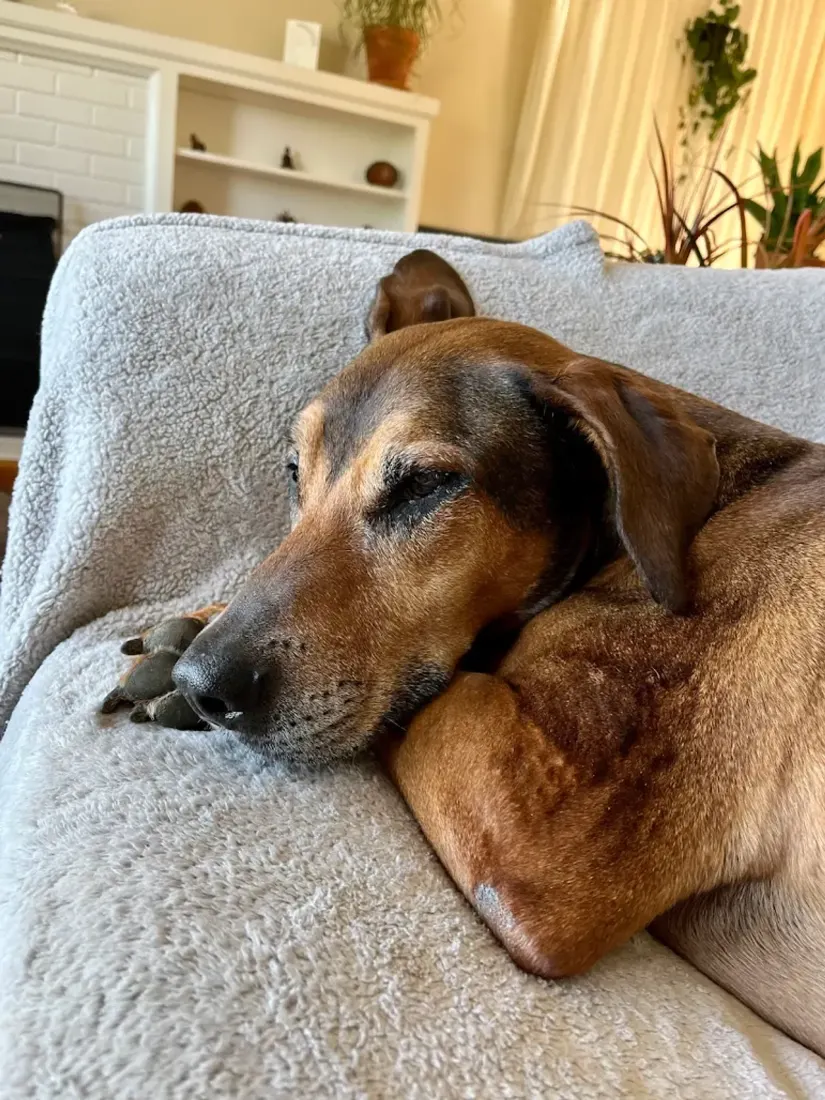


Breed-Specific Senior Ages: Shih Tzu, Labrador, and More
If you own a specific breed, you may wonder if the senior threshold differs. Here are common examples based on typical breed sizes.
| Breed | Typical Size | Senior Age Range | Notes |
|---|---|---|---|
| Shih Tzu | Small (9–16 lbs) | 10–12 years | Often remains active into early teens |
| Labrador Retriever | Large (55–80 lbs) | 7–9 years | Hip and joint issues may appear earlier |
| Beagle | Medium (20–30 lbs) | 8–10 years | Prone to obesity; weight affects aging |
| German Shepherd | Large (50–90 lbs) | 7–9 years | Hip dysplasia can accelerate aging signs |
| Chihuahua | Small (3–6 lbs) | 11–13 years | One of the longest-lived breeds |
| Great Dane | Giant (100–200 lbs) | 5–7 years | Senior status can begin as early as 5 |
These ranges are estimates. Your dog's individual health, diet, and lifestyle matter more than breed alone. A [[senior-dog-age-chart|senior dog age chart]] can help you track your pet's stage.
Dog Age in Human Years: A Quick Comparison
Converting your dog's age to human years helps you understand their life stage. The old '1 dog year = 7 human years' rule is inaccurate. The first year equals about 15 human years, the second adds 9, and each subsequent year adds 4–5 for small breeds or 6–7 for large breeds.
| Dog Age (years) | Small Breed (under 20 lbs) | Medium Breed (20–50 lbs) | Large Breed (50–90 lbs) | Giant Breed (over 90 lbs) |
|---|---|---|---|---|
| 1 | 15 | 15 | 15 | 15 |
| 2 | 24 | 24 | 24 | 24 |
| 5 | 36 | 40 | 42 | 45 |
| 8 | 48 | 55 | 60 | 66 |
| 10 | 56 | 66 | 72 | 80 |
| 12 | 64 | 77 | 84 | 94 |
| 15 | 76 | 93 | 103 | 115 |
Use a dog age calculator for a precise conversion, but this table gives a quick reference. A 10-year-old small dog is roughly 56 in human years, while a 10-year-old giant breed is about 80.
Dog Lifespan by Size and Breed
Lifespan expectations help you anticipate when old age begins. Smaller dogs generally live longer than larger ones.
| Size Category | Average Lifespan Range | Senior Onset | Examples of Long-Lived Breeds |
|---|---|---|---|
| Small (under 20 lbs) | 12–16 years | 10–12 years | Chihuahua, Toy Poodle, Shih Tzu |
| Medium (20–50 lbs) | 10–14 years | 8–10 years | Beagle, Cocker Spaniel, Border Collie |
| Large (50–90 lbs) | 8–12 years | 7–9 years | Labrador, Golden Retriever, German Shepherd |
| Giant (over 90 lbs) | 6–10 years | 5–7 years | Great Dane, Mastiff, Irish Wolfhound |
Some dogs live to 20 years, especially small breeds with excellent care. The percentage of dogs living to 15 varies widely; mixed breeds and those with regular veterinary care tend to have longer lifespans. For more, see our page on [[longest-living-dog-breeds-medium-sized|longest living dog breeds medium-sized]].
American Veterinary Medical Association
The American Veterinary Medical Association (AVMA) is a national nonprofit organization founded in 1863 that represents over 105,000 veterinarians. It provides continuing education, publishes the Journal of the American Veterinary Medical Association, and accredits veterinary schools in the United States. The AVMA also lobbies for animal-friendly legislation and offers resources for pet owners. For dog owners, the AVMA's Canine Life Stage Guidelines offer a reliable framework to determine when your dog is considered senior, helping you make informed decisions about their care.
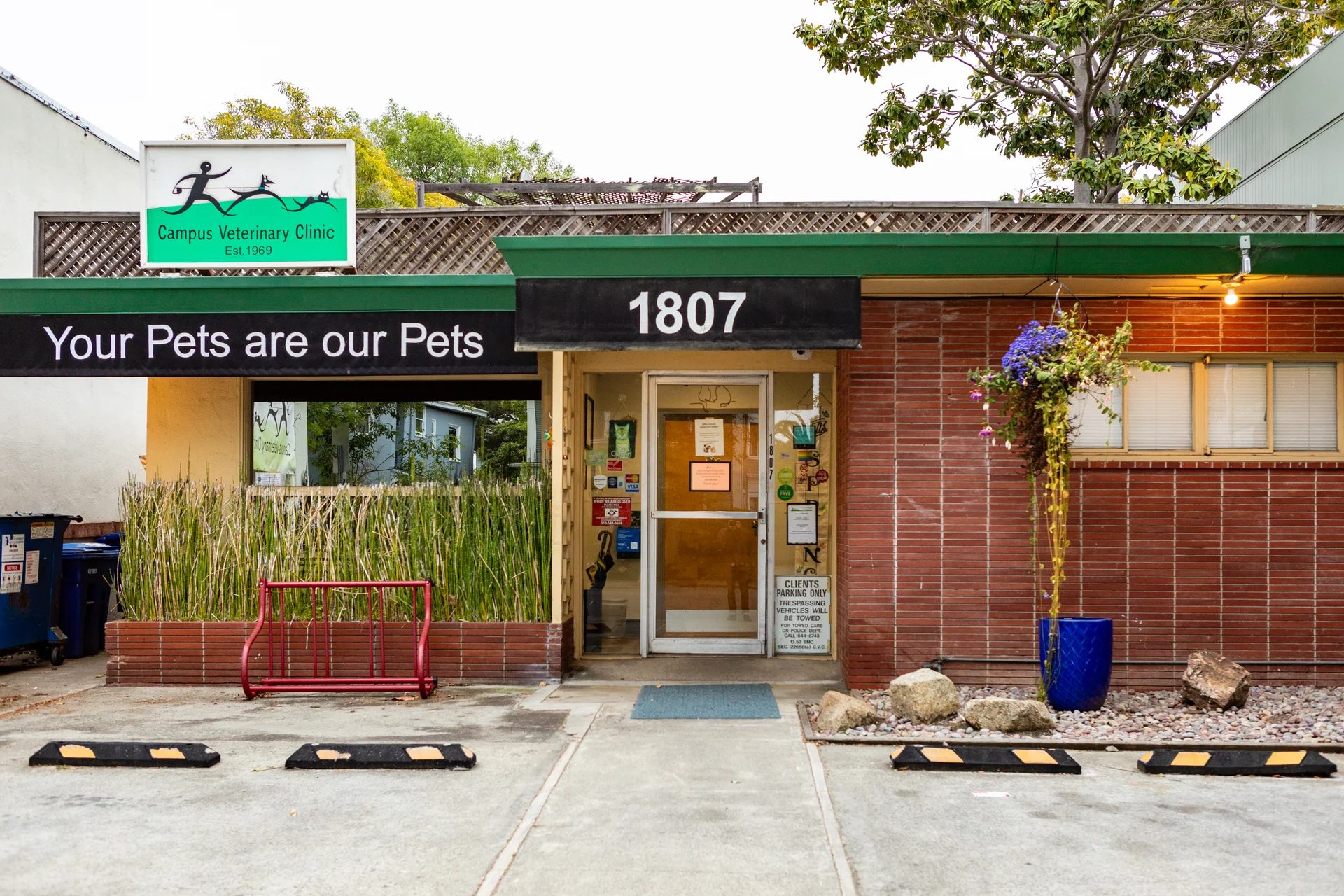
Directions to our animal hospital in Berkeley from Berkeley City College
Start at Berkeley City College and head to Campus Veterinary Clinic at 1807 Martin Luther King Jr Way, Berkeley, CA 94709.
Signs Your Dog Is Entering Their Senior Years
Beyond age, watch for these physical and behavioral changes that indicate your dog is becoming a senior.
- Graying muzzle or face: Fur around the eyes and mouth lightens, often starting around 7–9 years.
- Stiffness or difficulty rising: Arthritis or joint pain may make stairs or getting up from a lying position harder.
- Hearing or vision loss: Your dog may not respond to commands or bump into furniture.
- Changes in sleep patterns: More daytime sleeping, restlessness at night, or increased anxiety.
- Weight changes: Unexplained weight gain or loss; dental issues can reduce appetite.
- Increased thirst and urination: Could indicate kidney disease or diabetes.
If you notice these signs, schedule a senior wellness exam. For more detail, see [[signs-your-dog-is-dying-of-old-age-pictures|signs your dog is dying of old age pictures]].
Senior Dog Vet Visits: When and Why
Once your dog is senior, veterinary care should increase. Here's when to bring them in and what to expect.
- Schedule a senior wellness exam every 6 months: Dogs age faster than humans; a biannual checkup catches problems early.
- Bring a fresh urine sample and stool sample: These help screen for kidney disease, diabetes, and parasites.
- Expect bloodwork and dental check: A complete blood panel checks organ function; dental cleaning prevents infection.
- Discuss diet and joint supplements: Your vet can recommend a senior diet and supplements like glucosamine.
- Call us at (510) 549-1252 to book: Campus Veterinary Clinic is open Mon–Fri 7 AM–6 PM. New clients receive a free first exam (terms apply).
We accept debit cards, credit cards (Visa, Mastercard, Discover, American Express), cash, checks, and CareCredit. Visit us at 1807 Martin Luther King Jr Way, Berkeley, CA 94709, near UC Berkeley and Ohlone Park.
Caring for Your Senior Dog: What Changes
Adjusting your dog's routine can improve their quality of life in their senior years.
- Switch to a senior-formulated diet: Lower in calories, higher in fiber and joint-supporting nutrients.
- Modify exercise: Shorter, more frequent walks instead of long runs. Swimming is excellent for arthritic joints.
- Provide joint support: Ask your vet about supplements like glucosamine and chondroitin.
- Make your home senior-friendly: Use ramps, non-slip mats, and elevated food bowls.
- Monitor for pain or discomfort: Watch for limping, crying, or reluctance to move. Don't assume it's 'just old age.'
Should you walk a 14-year-old dog? Yes, but keep walks short and gentle, and let your dog set the pace. For more on care, see our [[senior-dog-age-chart|senior dog age chart]] and [[pet-behavioral-medicine-berkeley-reviews|pet behavioral medicine Berkeley reviews]].
Senior vs. Geriatric: Understanding Dog Life Stages
You may hear both terms. Here's how they differ in veterinary medicine.
| Term | Meaning | Typical Age Range | Care Focus |
|---|---|---|---|
| Senior | Last 25% of expected lifespan | Varies by size (see above) | Preventive care, early disease detection |
| Geriatric | Last 10% of expected lifespan | Usually 2+ years beyond senior onset | Palliative care, pain management, quality of life |
A geriatric dog may need more frequent vet visits, medication adjustments, and end-of-life planning. If your dog is geriatric, consult your veterinarian about a comfort care plan.
For details on services and visits, see the main page about animal hospital berkeley.
Sources
Also asked as
- what age is considered very old for a dog
- when is a dog considered a senior
- how old is old for a dog
Frequently asked questions
What age do most dogs pass away?
Most dogs pass away between 10 and 13 years of age, but this varies greatly by size. Small breeds often live 12–16 years, while giant breeds may live only 6–10 years. The median lifespan across all breeds is around 12 years.
Should you walk a 14-year-old dog?
Yes, but keep walks short, gentle, and on soft surfaces. Let your dog set the pace and stop if they show signs of fatigue or pain. Consult your vet for an exercise plan tailored to your senior dog's health.
Do any dogs live to 20 years?
Yes, especially small breeds like Chihuahuas, Toy Poodles, and mixed-breed dogs. Exceptional care, genetics, and a healthy lifestyle contribute. Very few dogs live past 20; it's considered remarkable.
What percentage of dogs live to 15?
Exact percentages vary by study, but roughly 10–20% of dogs reach 15 years. Small breeds and mixed breeds have higher survival rates. Regular veterinary care and a healthy diet improve the odds.
What is the #1 cause of death in dogs?
Cancer is the leading cause of death in dogs, followed by kidney disease and heart disease. In senior dogs, age-related diseases like arthritis and cognitive decline are common but not always fatal.