
What Is Veterinary Services? A Complete Guide
Veterinary services are the medical care and treatment provided to animals by veterinarians and their teams, including diagnosis, surgery, vaccination, dental care, and preventive health exams to keep pets, farm animals, and wildlife healthy.
Who Provides Veterinary Services?
Veterinary services are delivered by a team of professionals with different levels of training and specialization. Here's a breakdown of the key roles you may encounter at a clinic like ours.
| Role | Education & Training | Typical Duties | Can diagnose/treat independently? |
|---|---|---|---|
| Veterinarian (DVM) | Doctor of Veterinary Medicine degree; state license | Diagnose illness, perform surgery, prescribe medication, oversee care | Yes |
| Veterinary Specialist (e.g., ACVS board-certified surgeon, dermatologist, oncologist, ophthalmologist) | DVM plus residency and board certification | Advanced care in surgery, dermatology, oncology, ophthalmology, behavioral issues | Yes, often as consultants |
| Veterinary Technician (Vet Tech) | Associate degree or certificate; often credentialed | Assist in exams, take X-rays, collect lab samples, administer meds under vet direction | No |
| Veterinary Assistant | On-the-job training or short course | Restrain animals, clean cages, prepare equipment, support client communication | No |
| Practice Manager | Business management background | Schedule appointments, handle billing, manage staff | No |
| Behavioral Consultant (often a vet or certified trainer) | Varies; may be a veterinarian or certified behaviorist | Address behavioral issues like anxiety, aggression, phobias | Depends on credentials |
Specialists like veterinary oncologists or ophthalmologists often serve as consultants for other vets, providing advanced care for complex conditions.

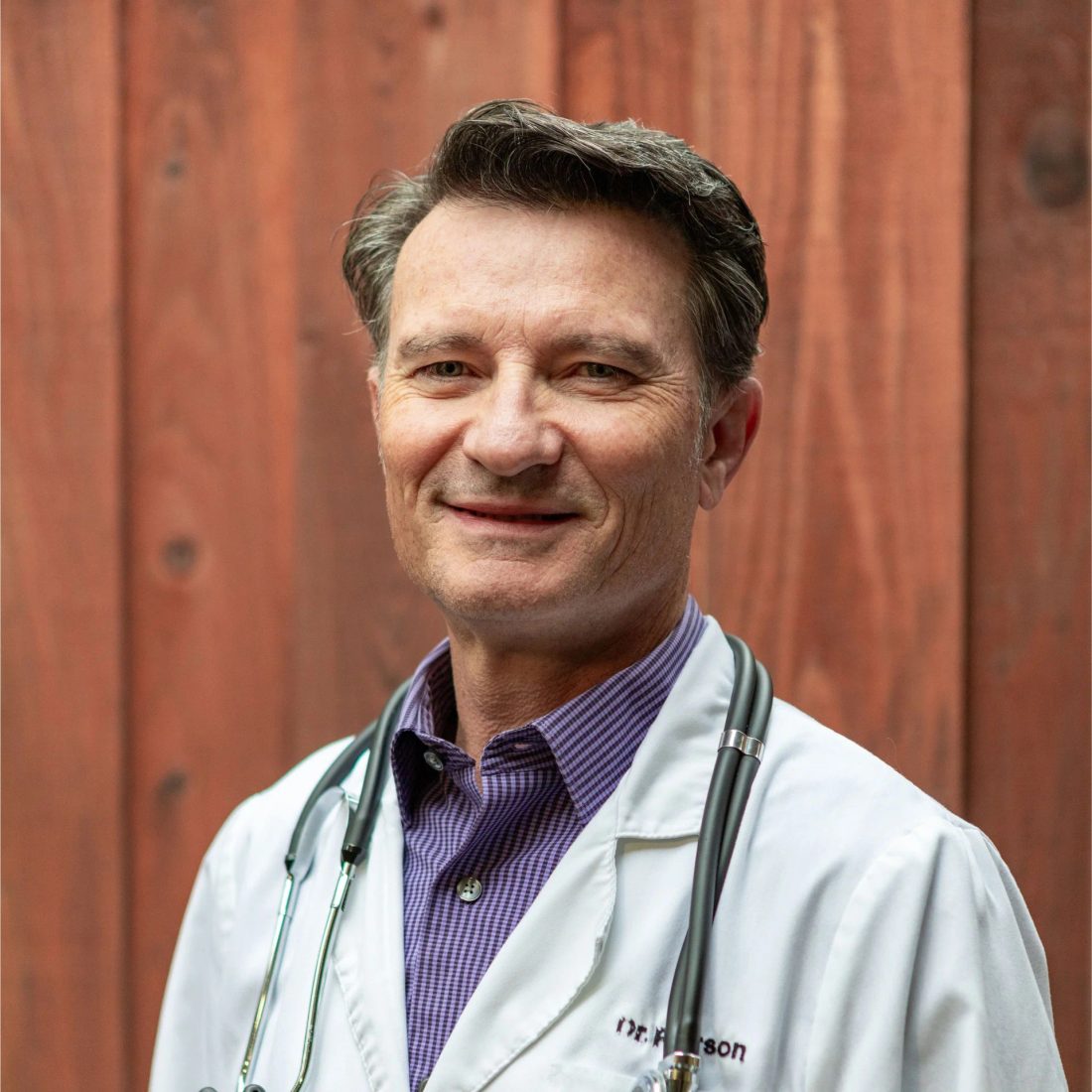
What Is Veterinary Services? A Simple Definition
Veterinary services encompass the medical care and treatment provided to animals by veterinarians and their teams. Here's what that typically involves, step by step.
- Preventive care — Annual wellness exams, vaccinations, deworming, and dental cleanings catch problems early and keep pets healthy.
- Diagnosis — Using physical exams, blood work, urinalysis, X-rays, and ultrasound to identify illness or injury.
- Treatment — Prescribing medications, performing surgery (from spay/neuter to tumor removal), and managing chronic conditions like diabetes or arthritis.
- Emergency care — Stabilizing and treating pets after accidents, poisonings, or sudden illness.
- Behavioral medicine — Addressing anxiety, aggression, and other behavioral issues with medication and training plans.
- End-of-life care — Providing palliative support and humane euthanasia when quality of life declines.
These services help all kinds of animals — dogs, cats, rabbits, guinea pigs, rats, and more — live longer, healthier lives.
Why Veterinary Services Matter
Veterinary services play a key role in preventing, diagnosing, and treating animal diseases — which also protects human health and the food supply. Here's why they matter.
- Animal health and welfare — Regular check-ups, vaccinations, and dental care prevent suffering and extend pets' lives.
- Public health — Vets monitor zoonotic diseases (like rabies and leptospirosis) that can spread from animals to people.
- Food safety — Veterinary services oversee the fight against animal diseases in livestock, ensuring the meat, milk, and eggs we eat are safe.
- Disease control — Through vaccination policies and outbreak response, vets help contain epidemics that could affect entire communities.
Whether you live in Berkeley, Albany, or El Cerrito, the veterinary team at Campus Veterinary Clinic contributes to a healthier community for everyone.
Is Veterinary Care Health Care?
Yes, veterinary care is a recognized form of health care. It involves the same core elements as human medicine — diagnosis, treatment, surgery, and preventive care — but for animals. Vets undergo rigorous training (a Doctor of Veterinary Medicine degree) and are licensed to prescribe medications, perform surgery, and manage chronic conditions.
Many pet owners use pet insurance or payment plans like CareCredit to cover costs, just as people use health insurance. At our clinic, we accept debit/credit cards (Visa, Mastercard, Discover, American Express), cash, checks, and CareCredit to make care accessible. If you're unsure about costs, we recommend asking for a quote or consulting our guide to vet visit costs.
Vaccination policy
Vaccination policies are health guidelines established by governments or organizations to prevent the spread of infectious diseases. These policies can be mandatory or strongly recommended, and they often require certain vaccines for people using public services like schools or welfare programs. The goal is to achieve herd immunity, which protects the entire population — including those who cannot be vaccinated — by reducing the circulation of disease. Public health agencies rely on advisory committees to make evidence-based decisions about which vaccines to include and how to implement them. Cost-benefit analyses consistently show that vaccination policies save money by preventing outbreaks and reducing the burden on healthcare systems. For pet owners, understanding vaccination policies helps ensure your companion receives the core vaccines needed to stay healthy and avoid preventable diseases.
Directions to our animal hospital in Berkeley from UC Berkeley College of Natural Resources
Start at UC Berkeley College of Natural Resources and head to Campus Veterinary Clinic at 1807 Martin Luther King Jr Way, Berkeley, CA 94709.
What Services Do Vets Provide?
A full-service veterinary clinic offers a wide range of medical and preventive services. Here's what you can expect.
- Wellness exams — Annual or semi-annual check-ups to assess overall health and catch issues early.
- Vaccinations — Core vaccines (rabies, distemper, parvovirus) to prevent deadly diseases.
- Dental care — Cleanings, extractions, and treatment for periodontal disease.
- Surgery — Spay/neuter, tumor removal, orthopedic repair, and emergency procedures.
- Diagnostics — Blood work, urinalysis, X-rays, ultrasound, and biopsy.
- Microchipping — Permanent identification to help lost pets return home.
- Behavioral medicine — Medication and behavior plans for anxiety, aggression, and phobias.
- End-of-life care — Palliative support and humane euthanasia.
Veterinary Services at Campus Veterinary Clinic
We are a full-service veterinary clinic serving Berkeley and surrounding areas since 1969. Located at 1807 Martin Luther King Jr Way, Berkeley, CA 94709, we see small animals including dogs, cats, rabbits, guinea pigs, and rats. New clients receive a free first exam (terms apply). Here's how to get started.
- Call to schedule — Phone us at +1 (510) 549-1252. Our hours are Monday through Friday, 7 AM to 6 PM (closed weekends).
- Visit us — We're near UC Theatre, Ohlone Park, and Berkeley City College. Free parking is available.
- Bring your pet — For the first visit, bring any prior records. If you're a new client, mention the free exam offer.
- Discuss your needs — Our team will perform a comprehensive exam and recommend preventive care, vaccinations, or treatment as needed.
- Payment — We accept debit/credit cards (Visa, Mastercard, Discover, American Express), cash, checks, and CareCredit.
We also offer behavioral medicine and compassionate support for pets with anxiety or end-of-life needs.
What Does a Full-Service Veterinary Clinic Offer?
A full-service clinic provides all routine and advanced care under one roof, so you don't need referrals to multiple specialists.
A good fit if…
- You want convenience — exams, vaccinations, dental, surgery, and diagnostics in one visit.
- Your pet has complex needs (e.g., chronic disease, behavioral issues) that require coordinated care.
- You value a long-term relationship with one veterinary team.
Consider another option if…
- You only need a single service like a vaccination and prefer a low-cost clinic.
- You require 24-hour emergency care (we are not open 24/7; see our guide to 24-hour animal hospitals).
To decide, ask yourself: does my pet need ongoing, comprehensive care? If yes, a full-service clinic like ours is likely the best choice.
Vet vs. Vet Tech vs. Vet Assistant: What's the Difference?
These roles are often confused, but each has distinct responsibilities and training requirements.
| Role | Education | Can diagnose? | Can perform surgery? |
|---|---|---|---|
| Veterinarian (DVM) | Doctoral degree + license | Yes | Yes |
| Veterinary Technician (Vet Tech) | Associate degree or certificate | No | No (assists) |
| Veterinary Assistant | On-the-job training | No | No |
Only veterinarians can diagnose illness, prescribe medication, and perform surgery. Vet techs and assistants support them by handling lab work, animal restraint, and client communication.
Sources
Also asked as
- What does a veterinarian do?
- What are vet services?
- What is included in veterinary care?
Frequently asked questions
What do vets mean?
The term 'vet' is short for veterinarian, a doctor trained to diagnose, treat, and prevent illnesses in animals. It can also refer to a veteran, but in this context, it always means a veterinary professional.
What is the definition of animal services?
Animal services is a broader term that includes veterinary care, animal control, sheltering, and rescue. Veterinary services specifically focus on medical care — exams, vaccines, surgery, and treatment.
Is a vet a well-paying job?
Veterinary salaries vary widely by location, experience, and specialty. While many vets earn a comfortable living, the cost of education and relatively lower pay compared to human medicine are common considerations. It's best to consult current salary data from professional associations.
Are all veterinarians surgeons?
No. All vets receive basic surgical training, but not all perform surgery regularly. Some focus on general practice, dermatology, ophthalmology, or behavioral medicine. Board-certified surgeons (ACVS) have advanced training in surgery.
Which is harder, a vet or a doctor?
Both paths are rigorous but differ in focus. Veterinary school is competitive and covers multiple species, while medical school focuses on humans. Neither is objectively harder; it depends on individual strengths and interests.