
What Happens Right Before a Dog Dies: Signs, Timeline, and How to Comfort Your P
Right before a dog dies, they typically stop eating and drinking, become lethargic and incontinent, may have agonal breathing, and often withdraw to a quiet place. The process can last hours to days.
Physical Signs That Happen Right Before a Dog Dies
As a dog approaches the end of life, their body begins to shut down. These physical changes can be distressing to witness, but understanding them helps you prepare and provide comfort. Here are the most common signs:
- Stopped eating and drinking entirely — The digestive system slows and eventually stops. Your dog may refuse food and water for 24–48 hours before death.
- Weight loss and muscle wasting — Cachexia (muscle wasting) is common, especially in chronic illness or old age. The dog may look bony and frail.
- Incontinence — Loss of bladder and bowel control occurs as muscles relax. You may see urine or stool leakage, even if the dog was previously house-trained.
- Breathing difficulties — Agonal breathing (irregular, gasping breaths) or shallow, rapid panting can appear. Periods of apnea (pausing breathing) are normal.
- Lethargy and unresponsiveness — The dog sleeps more, moves little, and may not react to your voice or touch. Eyes may be vacant.
- Drop in body temperature — Extremities like paws and ears feel cold as circulation slows. The dog may seek warmth.
- Changes in gum color — Gums may appear pale, bluish, or gray due to poor oxygenation.
- Weak pulse and low blood pressure — Heart rate slows and becomes irregular. You may feel a faint pulse.
- Disorientation and confusion — The dog may walk into walls, stumble, or seem lost in familiar spaces.
- Loss of consciousness — In the final hours, the dog may become unconscious, with little to no movement.
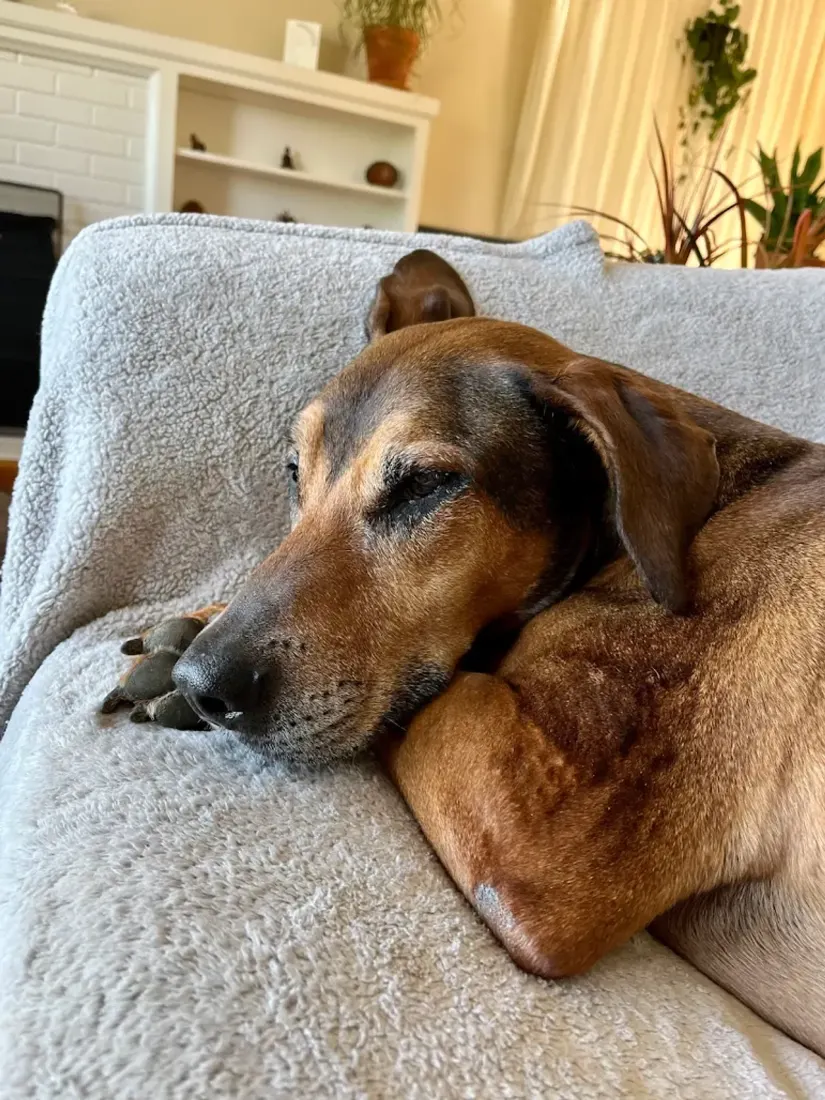

Behavioral Changes That Happen Right Before a Dog Dies
Beyond physical symptoms, dogs often show distinct behavioral shifts in their final days. Recognizing these can help you understand what your dog is experiencing and respond with compassion.
- Withdrawal from people and other pets — Many dogs seek solitude, hiding in closets, under furniture, or outside. This is a natural instinct to protect themselves.
- Sudden bursts of energy (a 'second wind') — Some dogs experience a brief period of alertness, appetite, or activity hours before death. This can be misleading but is often a final rally.
- Increased sleep and lethargy — Most of the time, the dog is sleeping or resting, conserving energy. They may be difficult to rouse.
- Loss of interest in favorite activities — No longer interested in walks, toys, treats, or affection. This reflects the body's shutdown.
- Vocalizations — Some dogs whine, cry, or howl, especially if in pain or disoriented. Others become silent.
- Seeking comfort or closeness — In contrast to withdrawal, some dogs become clingy, wanting to be near you constantly. Follow their lead.
- Changes in elimination habits — May urinate or defecate in unusual places, or stop eliminating altogether.
Coping with Grief After Your Dog Dies
Losing a dog is a profound loss. It's normal to feel guilt, emptiness, depression, and even physical pain. Many pet owners question whether they did enough or made the right decisions. These feelings are part of the grieving process and do not mean you failed your companion.
If you're struggling, consider talking to a grief counselor who specializes in pet loss, or joining a support group. Some people find comfort in writing a letter to their dog, creating a memory box, or planting a tree in their honor. There is no right timeline for grief — allow yourself to feel without judgment.
If you're wondering about getting a new dog, give yourself time. Rushing can complicate grief, but eventually, a new companion can honor the love you shared. Remember, putting your dog's needs before your own wants is selfless and excruciating, but it is the final act of love.
How to Tell If Your Dog Is Dying or Just Sick
It can be hard to know whether your dog's symptoms are a temporary illness or the start of the dying process. This table compares key factors to help you decide.
| Factor | If your dog is sick (reversible) | If your dog is dying (terminal) |
|---|---|---|
| Appetite | May refuse food for a day or two, then recovers | Stops eating and drinking entirely for 24+ hours, no interest in favorite foods |
| Energy level | Lethargic but still responds to stimuli, may improve with treatment | Persistent lethargy, unresponsive, sleeps most of the time |
| Breathing | Rapid or labored but regular; responds to medication or rest | Agonal breathing, long pauses, irregular pattern |
| Incontinence | Occasional accident due to illness | Complete loss of control, no awareness |
| Response to treatment | Improves with veterinary care (fluids, medication, rest) | No improvement despite treatment; condition worsens |
| Quality of life | Temporary discomfort, still enjoys some things | Constant pain, no joy, no interest in anything |
If you're unsure, a quality of life scale can help. Track your dog's behavior over 24–48 hours. If most signs point toward dying, consult your veterinarian to discuss options including palliative care or euthanasia.
Animal euthanasia
Animal euthanasia, derived from Greek meaning 'good death,' is the humane act of ending an animal's life, typically through injectable medications designed to minimize pain and distress. It is used to relieve suffering from terminal illness, incurable disease, or when quality of life is irreparably poor. For pet owners, this decision is often framed as 'putting down' or 'putting to sleep,' and it represents a final act of compassion. If you are facing this choice, know that it is a selfless decision made out of love.
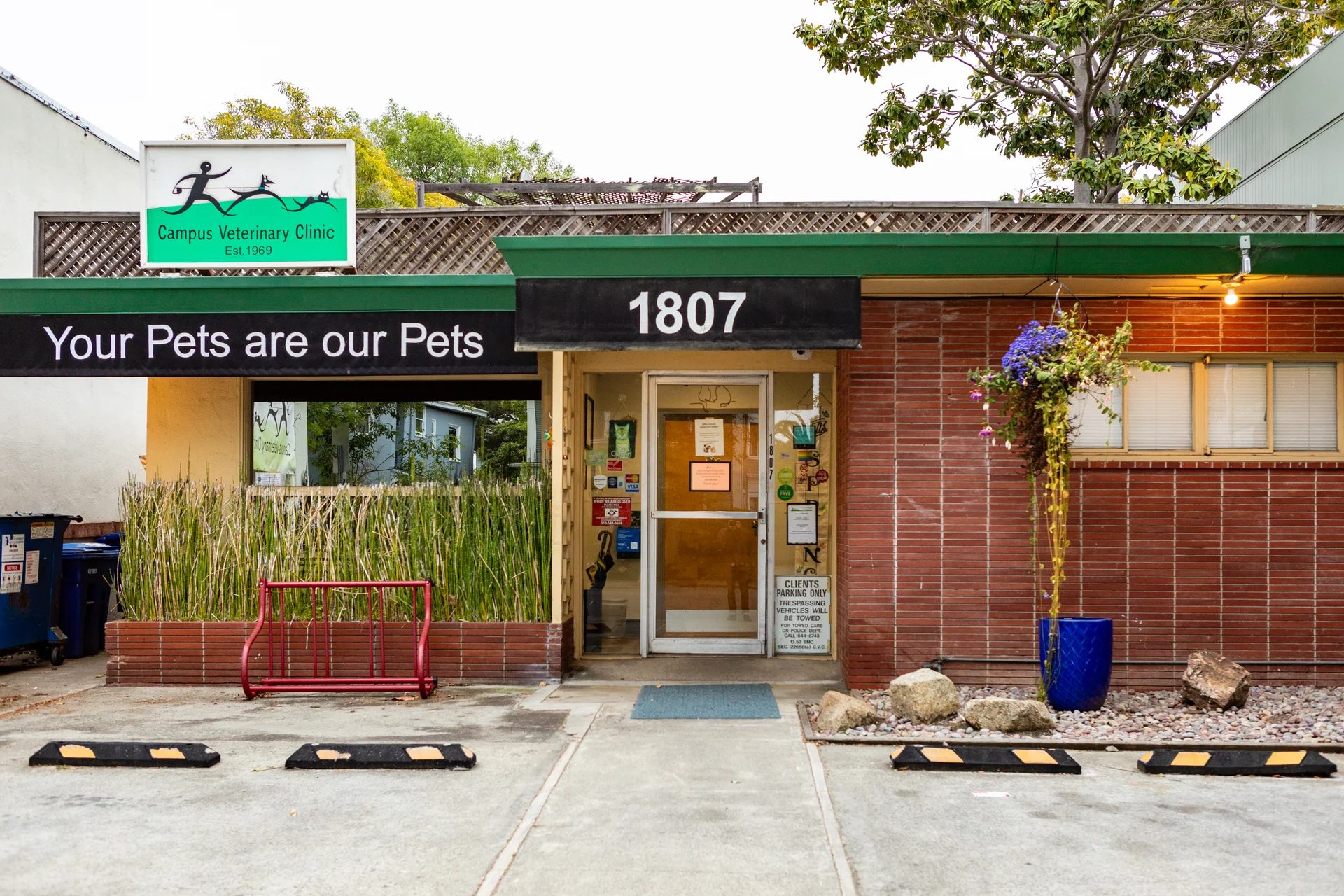
Directions to our animal hospital in Berkeley from Berkeley Community Theater
Start at Berkeley Community Theater and head to Campus Veterinary Clinic at 1807 Martin Luther King Jr Way, Berkeley, CA 94709.
When to Consider Euthanasia: Signs It's Time
A good fit if…
- Your dog has stopped eating and drinking for more than 24 hours and shows no interest in food or water.
- They are in constant pain that cannot be managed with medication.
- They can no longer stand or walk, and seem distressed when trying.
- They have lost control of bladder and bowels and appear unaware or uncomfortable.
- They show no interest in favorite activities, people, or surroundings.
- Their breathing is labored, agonal, or they have frequent seizures.
Consider another option if…
- Your dog still eats, drinks, and responds to you with interest.
- They have good days mixed with bad days, and pain is manageable.
- You are unsure and want more time to observe, with veterinary guidance.
- You are considering palliative care or hospice at home.
Deciding when to euthanize is deeply personal. A quality of life assessment, combined with honest conversations with your veterinarian, can guide you. Putting his needs before your wants is selfless and excruciating, but it is the final gift you can give.
Timeline of What Happens Right Before a Dog Dies
The dying process in dogs varies, but often follows a general timeline. This can help you know what to expect and when to act.
- Days to weeks before death — Decline begins: weight loss, lethargy, reduced appetite. The dog may withdraw or seek comfort. This is the time to consider quality of life and discuss options with your vet.
- 24–48 hours before death — Active dying phase: stops eating and drinking entirely, becomes incontinent, may have agonal breathing. The dog sleeps most of the time and is minimally responsive.
- Hours before death — Final stage: body temperature drops, pulse weakens, eyes may be vacant. The dog may have a brief rally of energy (second wind) or become unconscious.
- Minutes to moments before death — Last breaths: breathing becomes very shallow and irregular, then stops. The heart stops shortly after. There may be a final muscle twitch or sigh.
How to Comfort Your Dog Right Before They Die
Your presence and gentle care can make your dog's final hours more peaceful. Here are practical steps to comfort them.
- Create a calm environment — Keep the room quiet, dimly lit, and at a comfortable temperature. Play soft music or use a familiar blanket.
- Provide gentle physical comfort — Lie beside your dog, stroke them softly, and speak in a soothing voice. Let them rest on a soft bed or your lap.
- Manage pain — If your dog is in pain, ask your vet about palliative care options. Never give human medications without veterinary guidance.
- Offer food and water gently — Even if they refuse, offer small amounts of water or favorite treats. Do not force them.
- Respect their wishes — If your dog wants to be alone, give them space but stay nearby. If they seek you, stay close. Follow their lead.
- Say goodbye — When the time comes, speak to them, tell them you love them, and let them go. Your presence is the greatest comfort.
What Happens During and After a Dog Dies
Knowing what to expect at the moment of death and afterward can reduce fear and help you prepare.
- At the moment of death — Breathing stops, followed by the heart. There may be a final sigh, a twitch, or release of urine or stool. The eyes may remain open.
- Minutes after death — The body relaxes completely. Rigor mortis (stiffening) begins within a few hours. The body will cool gradually.
- What you may feel — A sense of peace, deep sadness, or numbness. It's normal to cry, talk to your dog, or sit in silence.
- What to do next — Contact your veterinarian to discuss aftercare options: burial (check local regulations), cremation, or communal disposal. Some clinics offer private cremation with return of ashes.
- Allow yourself time — There is no rush to make decisions. Grieve at your own pace. Reach out to friends, family, or a pet loss support group.
For details on services and visits, see the main page about animal hospital berkeley.
Sources
Also asked as
- What are the signs my dog is dying?
- How do I know if my dog is dying or just sick?
- What happens in the last hours of a dog's life?
Frequently asked questions
What are 10 signs that it's time to put my dog down?
Common signs include: 1) stopped eating and drinking entirely, 2) constant pain unmanageable by medication, 3) inability to stand or walk, 4) incontinence with no awareness, 5) no interest in favorite activities, 6) labored or agonal breathing, 7) severe weight loss, 8) disorientation and confusion, 9) frequent seizures, 10) unresponsiveness to you. A quality of life scale and veterinary consultation can help confirm.
Is it normal to feel guilty about getting a new dog after losing one?
Yes, it's very common. Many owners worry they are replacing their dog or being disloyal. Grief is individual — some feel ready quickly, others need months or years. A new dog never replaces the one you lost; it honors the love you shared by giving another animal a home.
Can losing a pet lead to depression?
Yes, the grief of losing a pet can trigger depression, especially if the bond was deep or the loss was sudden. Symptoms may include persistent sadness, loss of appetite, sleep disturbances, and withdrawal. If you feel overwhelmed, talk to a mental health professional who understands pet loss.
Do dogs know when it's their last day?
Dogs likely sense that their body is failing, but they don't understand death as a concept. They may withdraw or seek comfort based on instinct. What matters most is that they feel your love and presence in their final moments.
My dog passed away and I feel empty. Is this normal?
Absolutely. The emptiness is a natural response to losing a constant companion. Your daily routines, walks, and cuddles are gone. Allow yourself to grieve without judgment. Over time, the pain softens, but the love remains.