
How Much Do Veterinary Clinics Make? A Local Look
A veterinary clinic's revenue varies widely, but a companion animal practice typically generates $800,000 to $1,000,000 in gross operating surplus annually. Profit depends on location, services, and overhead. Individual veterinarian salaries average around $125,510 per year.
How much do veterinarians make? Salary benchmarks for 2026
When asking how much veterinary clinics make, it helps to start with what veterinarians themselves earn. The Bureau of Labor Statistics reports a median annual salary of $130,100 for veterinarians as of 2024, with the average around $125,510. Companion animal practice vets generally earn the most, averaging $110,000 per year. Here's a breakdown:
| Role / Context | Annual Salary (U.S.) | Hourly Equivalent | Monthly / Daily Estimate |
|---|---|---|---|
| Veterinarian (median, all practice types) | $130,100 | ~$62.50/hour | $10,842/month; $357/day |
| Veterinarian (average, BLS 2024) | $125,510 | ~$60.30/hour | $10,459/month; $344/day |
| Companion animal practice (average) | $110,000 | ~$52.88/hour | $9,167/month; $301/day |
| Veterinarian in California (average) | ~$125,577 | ~$60.37/hour | $10,465/month; $344/day |
| New graduate (private practice) | Varies widely, often $70,000–$90,000 | ~$33.65–$43.27/hour | $5,833–$7,500/month |
These figures give a clear picture of individual earnings, but they don't tell the full story of clinic revenue. For that, we need to look at the business side.



Vet owner income and staff pay: how it all adds up
Veterinary practice owners typically earn more than associate vets, but their income depends on clinic profit after expenses. Support staff salaries also vary by role. Here's a snapshot:
| Role | Annual Pay (U.S.) | Typical Range | Notes |
|---|---|---|---|
| Veterinary practice owner | Varies; often $150,000–$250,000+ | Depends on clinic size, location, and profit | Includes draw from practice profit; gross operating surplus can be $800,000–$1,000,000 |
| Veterinary technician | Mean $46,280 | $35,000–$55,000 | Hourly rates typically $17–$26 |
| Veterinary practice manager | Varies by state; $40,000–$70,000 | California: often $50,000–$65,000 | Salaries depend on experience and clinic size |
| Veterinary assistant | ~$30,000–$40,000 | $15–$20/hour | Entry-level support role |
Owner income is closely tied to how much the clinic makes overall. A well-run companion animal practice can generate substantial surplus, but overhead—staff, equipment, rent—cuts into profit.
Is vet school worth it? What it takes to earn that salary
A good fit if…
- You're committed to animal care. The work is rewarding but demanding; most vets are compassionate and detail-oriented.
- You're prepared for the education. Vet school is 4 years after a bachelor's degree, and it's competitive—many programs require a high GPA.
- You want long-term stability. Veterinary medicine offers solid job growth and good earning potential, especially in companion animal practice.
Consider another option if…
- You're looking for a quick path. The total training time (8+ years) and student debt can be significant.
- You dislike high-stress environments. The profession has emotional challenges, including euthanasia and client grief.
To decide, talk to practicing vets and shadow at a local clinic like ours in Berkeley. We've seen many passionate individuals thrive in this field.
- Earn a bachelor's degree with strong science prerequisites (4 years).
- Attend veterinary school (4 years) and earn a DVM or VMD.
- Pass the North American Veterinary Licensing Examination (NAVLE) and meet state requirements via the California Veterinary Medical Board.
- Consider a residency or internship for specialization (1–3 years).
- Start practicing—many begin in private practice or clinics.
How much do veterinary clinics make? A look at real revenue and profit
The question "how much do veterinary clinics make" often refers to the business's total revenue. For a companion animal practice, gross operating surplus—money left after operating expenses—typically ranges from $800,000 to $1,000,000 per year. But profit varies widely based on several factors.
| Factor | Why It Matters | Typical Range (General) |
|---|---|---|
| Location | Urban areas like Berkeley, San Jose, or Oakland have higher rent but also higher client volume. | Revenue can be 20–50% higher in metro areas |
| Services offered | Surgery, diagnostics, and behavioral medicine increase revenue per visit. | Adds $50–$500+ per case |
| Staff size | More vets and techs allow more appointments but raise payroll. | Payroll is often 25–35% of gross revenue |
| Client base | Loyal, returning clients stabilize income; new client promotions (like our free first exam) help. | Varies; repeat clients can account for 60–80% of visits |
Profit margins for veterinary clinics typically fall between 10% and 25%, depending on efficiency. For exact numbers, consult a practice management consultant or your accountant.
Directions to our animal hospital in Berkeley from International Computer Science Institute
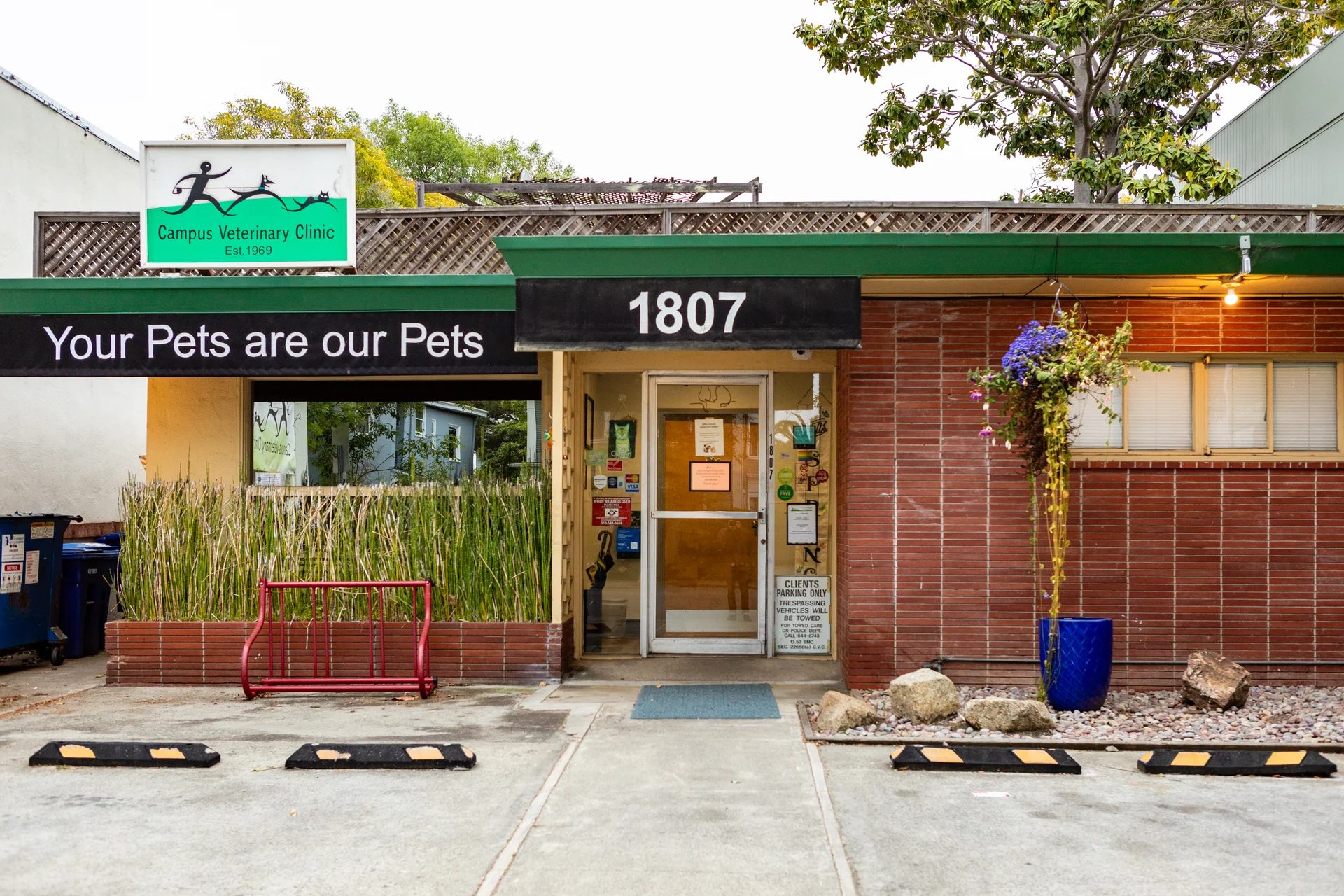
Start at International Computer Science Institute and head to Campus Veterinary Clinic at 1807 Martin Luther King Jr Way, Berkeley, CA 94709.
Vet pay per paycheck and hourly rates: what to expect
If you're budgeting or negotiating, knowing your take-home per paycheck is key. Here's what veterinarians and staff typically see:
| Role | Hourly Rate | Per Paycheck (biweekly, 80 hours) | Annual Equivalent |
|---|---|---|---|
| Veterinarian (median) | ~$62.50 | ~$5,000 (before taxes) | $130,100 |
| Veterinarian (California average) | ~$60.37 | ~$4,830 | $125,577 |
| Veterinary technician (mean) | ~$22.25 | ~$1,780 | $46,280 |
| Veterinary assistant | ~$15–$20 | ~$1,200–$1,600 | $30,000–$40,000 |
| Practice owner (draw) | Varies; often $75–$120/hour | $6,000–$9,600 | $150,000–$250,000+ |
Keep in mind that taxes, benefits, and retirement contributions affect net pay. For a personalized estimate, use a salary calculator or consult a financial advisor.
Vet clinic earnings in California and beyond: local pay comparisons
Location significantly impacts how much veterinary clinics make and what staff earn. Here's how California compares to other areas:
| Location | Veterinarian Average Salary | Clinic Revenue Context | Notes |
|---|---|---|---|
| California (statewide) | ~$125,577 | High cost of living; strong demand in urban areas | Berkeley, San Jose, Oakland, and Los Angeles are key markets |
| San Jose, CA | ~$53,018 (clinic-level role, possibly tech/assistant) | Tech hub; higher rent but higher client spending | Veterinarian salaries likely higher; this figure may reflect support staff |
| Pennsylvania | ~$110,000–$120,000 | Lower cost of living; moderate demand | Comparable to national averages |
| National average | $125,510 (BLS 2024) | Varies widely by state and practice type | Companion animal vets earn ~$110,000 |
In Berkeley and surrounding areas like Albany, El Cerrito, and Oakland, the demand for veterinary care is strong. Our clinic has served this community since 1969, and we see that local earnings align with California's higher averages.
For details on services and visits, see the main page about animal hospital berkeley.
Sources
Also asked as
- How profitable is a vet clinic?
- What do vet clinics earn annually?
- Veterinary clinic revenue and profit
Frequently asked questions
How profitable is a vet clinic?
Profitability varies, but a companion animal practice typically generates a gross operating surplus of $800,000 to $1,000,000 annually. After expenses like staff salaries, rent, and supplies, profit margins often fall between 10% and 25%.
Is becoming a vet hard?
Yes, it's challenging. Vet school is 4 years after a bachelor's degree, requires a high GPA (often 3.5 or above), and involves rigorous coursework. The profession also has emotional demands, but many find it deeply rewarding.
What is the average salary for a veterinarian in the United States?
The median annual salary for veterinarians is $130,100, with an average of $125,510 as of 2024, according to the Bureau of Labor Statistics. Companion animal practice vets average around $110,000.
How many years is vet school?
Veterinary school typically takes 4 years to complete after earning a bachelor's degree. Some programs offer accelerated tracks, but the standard path is 8 years of post-secondary education.
Is a 3.5 GPA bad for vet school?
No, a 3.5 GPA is generally competitive for vet school, though requirements vary by program. Most schools look for a strong science GPA and relevant experience, not just a high overall GPA.