
Can I Negotiate Vet Prices? What to Ask Your Vet
Yes, you can often negotiate vet prices by asking for an itemized estimate, discussing payment plans, or requesting alternative treatments. Many clinics, including ours, are open to working with you to make care more affordable.
How to lower your vet bill: 7 things you can do
Pet owners often wonder how to make veterinary care more affordable. Here are concrete steps you can take to lower your vet bill.
- Ask for an itemized estimate. Before any procedure, request a written breakdown of costs for the exam, tests, medications, and follow-up care. This helps you see exactly what you're paying for and identify areas to adjust.
- Discuss treatment alternatives. Your vet may offer different options, such as a less expensive medication or a different diagnostic test. Ask if there are generic or lower-cost alternatives that still meet your pet's needs.
- Inquire about payment plans. Many clinics offer in-house payment plans or third-party financing through services like CareCredit. Spreading the cost out over a period of time can help make a large bill manageable.
- Ask about rescue rates or sliding scale pricing. If you're facing financial hardship, some clinics offer reduced rates for clients who qualify. It never hurts to ask if such options are available.
- Consider preventive care. Regular check-ups, vaccinations, and dental cleanings can prevent more expensive emergencies down the road. Preventive care is often cheaper than treating advanced disease.
- Look into cash discounts. Some clinics offer a discount if you pay with cash or check instead of a credit card. Ask about this when you check in.
- Learn from our vet clinic what you should – and shouldn't – do at home. For minor issues, your vet can advise on safe home care, like wound cleaning or dietary changes, that might reduce the need for a visit.

What vet prices really cost — and why they're high
Understanding what drives veterinary costs can help you see why prices are what they are and where there might be room for negotiation. Costs vary widely based on location, clinic type, and your pet's needs.
| Factor | Why it matters | Typical range (general) |
|---|---|---|
| Office visit fee | Covers the vet's time for the exam, basic consultation, and facility use. | Varies; ask for a quote |
| Diagnostic tests (bloodwork, X-rays, ultrasound) | Essential for diagnosing illness or injury; costs depend on the test's complexity and equipment needed. | Varies widely; ask for a quote |
| Medications and treatments | Brand-name vs. generic options can differ significantly in price. | Varies; ask for a quote |
| Emergency care | After-hours or urgent care often carries a premium due to staffing and resource demands. | Higher than routine visits; ask for a quote |
| Surgery | Complexity, duration, and follow-up care affect the total cost. | Varies; ask for a quote |
| Follow-up visits | Some treatments require rechecks, which may be included or billed separately. | Varies; ask for a quote |
Keep in mind that veterinary clinics have overhead costs like rent, equipment, staff salaries, and medical supplies. These factors contribute to the prices you see. When you understand what goes into a bill, you can have a more informed conversation with your vet about costs.
Can you negotiate vet prices? What's fair to ask
Yes, you can negotiate vet prices, but it's important to approach the conversation with respect and understanding. Veterinary clinics are businesses with real costs, but most are willing to work with you to ensure your pet gets the care it needs. The key is to ask, not demand.
What's fair to ask: You can ask for an itemized estimate, inquire about payment plans, discuss alternative treatments, and ask if there are any discounts (like cash discounts or rescue rates). Avoid haggling over the vet's professional fees or questioning the value of their expertise. Instead, focus on finding a solution that works for both of you.
For example, you might say: "I'm concerned about the cost. Could you provide an itemized estimate and let me know if there are any payment plan options?" This opens the door for a constructive conversation.
Can't afford vet care? Help is available
If you're facing financial hardship and can't afford a vet bill, there are options to explore. Act quickly to avoid delaying necessary care.
- Talk to your vet about your situation. Be honest about your financial constraints. Many clinics, including ours, have compassion and may offer a sliding scale, rescue rates, or a payment plan.
- Contact local rescues and shelters. Some animal welfare organizations offer financial assistance or low-cost clinics for pet owners in need. They may also know of other resources in Berkeley, Albany, or Oakland.
- Apply for grants or charitable programs. Organizations like the American Veterinary Medical Foundation or local humane societies sometimes have funds for emergency vet care. Search online for "grants for emergency vet care near me" or ask your vet for recommendations.
- Consider CareCredit or other financing. CareCredit is a healthcare credit card that can be used for vet bills. It allows you to spread payments over time, often with no interest if paid within a promotional period.
- Learn about the costs of emergency veterinary care. Knowing what to expect can help you prepare financially. Ask your vet for a cost estimate for emergency procedures so you can plan ahead.
Veterinary medicine
Veterinary medicine is the branch of medicine dedicated to preventing, diagnosing, and treating diseases and injuries in animals. It covers a wide range of species, from pets like dogs and cats to livestock and wildlife. Veterinary professionals include veterinarians, veterinary nurses, and technicians, all working together to ensure animal health. This field also plays a key role in public health by monitoring zoonotic diseases and ensuring food safety. For pet owners, veterinary care is essential for keeping their animals healthy and happy. Understanding your options for managing costs can help you provide the best care for your pet without financial strain.
Directions to our animal hospital in Berkeley from Berkeley Public Library
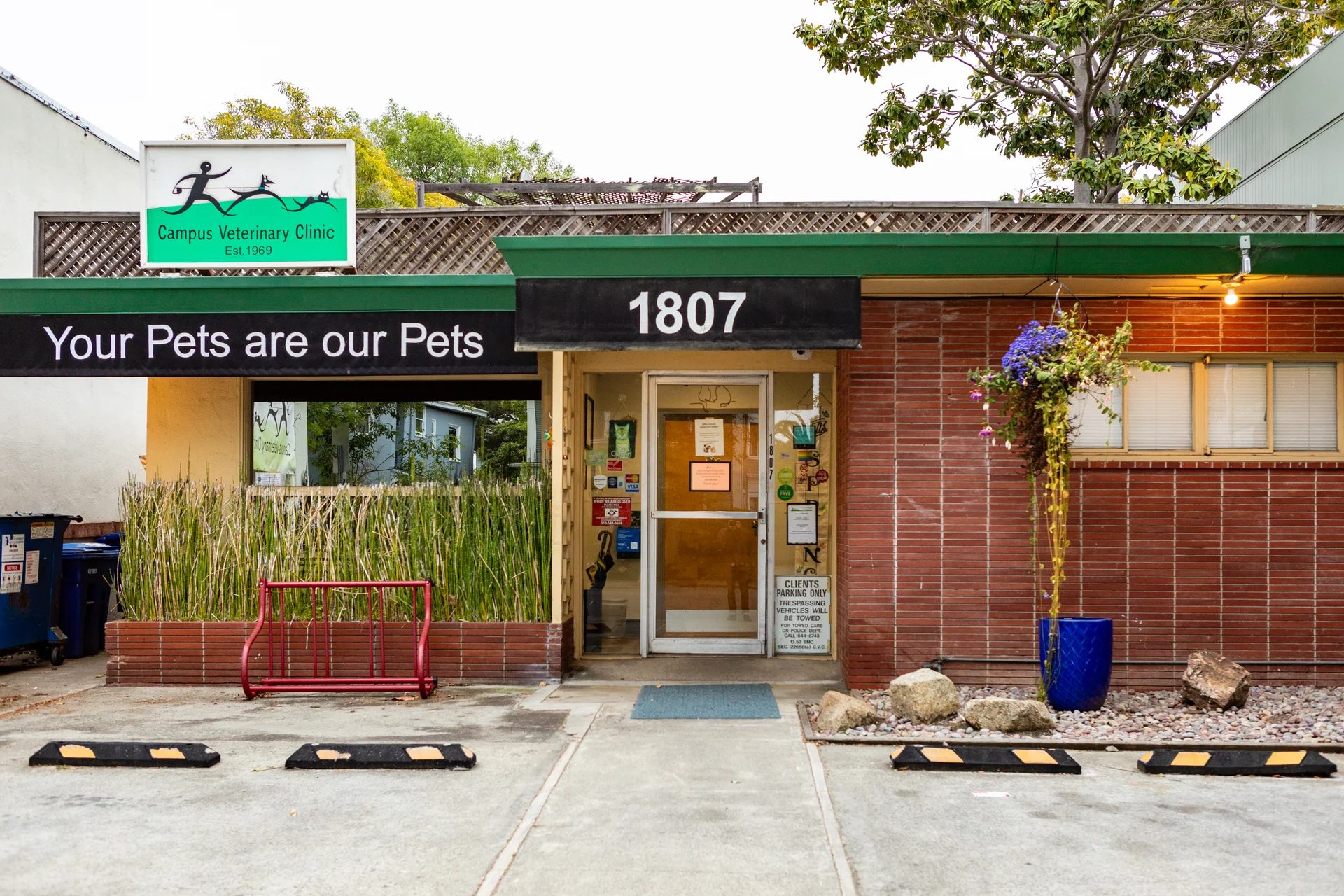
Start at Berkeley Public Library and head to Campus Veterinary Clinic at 1807 Martin Luther King Jr Way, Berkeley, CA 94709.
Before your visit: questions to ask your vet about costs
To avoid surprises and make care more affordable, prepare a list of questions to ask before your appointment. Here's what to ask when you call or arrive.
- What is the office visit fee? Confirm this upfront so you know the base cost.
- Can I get an itemized estimate? Request a written breakdown of all expected charges, including exams, tests, and medications.
- Are there any discounts available? Ask about cash discounts, rescue rates, or sliding scale pricing.
- What payment plans do you offer? Inquire about in-house plans or third-party financing like CareCredit.
- What are the costs of follow-up visits? Some treatments require rechecks; ask if they are included or billed separately.
- Are there lower-cost alternatives? Ask if generic medications or less expensive diagnostic options are available.
Our clinic, Campus Veterinary Clinic in Berkeley, is happy to answer these questions. Call us at +1 (510) 549-1252 or visit us at 1807 Martin Luther King Jr Way. We're open Monday through Friday, 7 AM to 6 PM.
Payment plans and financing: which option fits your budget?
Spreading the cost out over a period of time can help make vet care affordable. Here's how common options compare.
| Option | How it works | Pros | Cons |
|---|---|---|---|
| In-house payment plan | You agree to pay the balance in installments directly with the clinic. | No credit check; flexible terms | May require a deposit; not all clinics offer it |
| CareCredit | A healthcare credit card you can use for vet bills, with promotional 0% interest periods. | Widely accepted; can be used for future visits | Interest accrues if not paid in time; credit check required |
| Personal loan | Borrow from a bank or credit union to cover the bill. | Fixed payments; may have lower interest | Requires good credit; takes time to process |
| Cash or check discount | Some clinics offer a discount for paying in full at the time of service. | Immediate savings; no debt | Requires upfront payment; may not be available |
Ask your vet which options they accept. At our clinic, we accept debit cards, credit cards (Visa, Mastercard, Discover, American Express), cash, checks, and CareCredit.
Comparing vet prices: how to shop around without burning bridges
It's acceptable to compare prices between vets, but do it respectfully. Here's how to get comparable estimates.
| Step | What to do | Why it matters |
|---|---|---|
| 1. Call multiple clinics | Ask for an itemized estimate for the same service (e.g., a routine exam, bloodwork, or a specific procedure). | Ensures you're comparing apples to apples |
| 2. Ask about additional fees | Inquire about office visit fees, follow-up charges, or medication costs that may not be included. | Prevents surprises later |
| 3. Consider the clinic's reputation | Check online reviews, ask about experience, and consider the clinic's location and hours. | Price isn't everything; quality and convenience matter |
| 4. Be transparent | Tell the clinic you're comparing prices. Most vets understand and will provide a quote without pressure. | Builds trust; avoids awkwardness |
When calling, you can say: "I'm looking for a vet for my pet and would like a price estimate for a routine exam and bloodwork. Can you provide that over the phone?"
Avoid surprise vet bills: always ask for an itemized estimate
Unexpected charges are one of the most stressful parts of vet care. You can prevent most of them by confirming costs before you agree to anything. Here are the steps we recommend to every pet owner.
- Request an itemized estimate upfront. Before any procedure, ask for a written breakdown that lists each service, medication, and fee. A reputable clinic will provide this without hesitation.
- Clarify what's included and what's not. Ask whether the estimate covers follow-up visits, anesthesia, hospitalization, or after-hours care. If something is listed as "additional," find out what that could mean in dollars.
- Confirm the estimate is valid for a set period. Prices can change, so ask how long the quote stands. This protects you if you need to schedule the procedure later.
- Ask about potential complications. No vet can predict every outcome, but we can tell you what common complications might cost. Knowing the range helps you plan.
- Review the final bill before paying. Compare it line by line with the estimate. If anything differs, ask why. Mistakes happen, and catching them is your right.
- Get a copy of the estimate and final bill. Keep these for your records. They're useful for insurance claims, tax deductions, or if you need to dispute a charge.
If you're unsure about what a service involves or why it's needed, ask. Our team at Campus Veterinary Clinic is happy to walk you through every line item. For more on managing costs, see our guide on making vet visits cheaper.
Sources
Also asked as
- How can I lower my vet bill?
- Can you haggle at the vet?
- What if I can't afford the vet?
Frequently asked questions
What happens if you can't afford a vet visit?
If you can't afford a vet visit, talk to your vet about your situation. Many clinics offer payment plans, sliding scale fees, or can refer you to low-cost resources. You can also contact local rescues, shelters, or charitable organizations that may provide financial assistance for emergency care.
Do vets charge for a follow-up visit?
Follow-up visits are sometimes included in the initial treatment cost, but often they are billed separately. Always ask your vet if follow-up care is included in the estimate or if there will be an additional charge. This can vary by clinic and procedure.
Where is the cheapest vet to go to?
Costs vary by location and clinic. To find affordable care, call several clinics in your area and ask for price estimates for the services you need. Consider low-cost clinics run by animal shelters or veterinary schools, which may offer reduced rates. Always compare itemized estimates to ensure you're comparing the same services.
What breed of dog do vets not recommend?
Vets typically don't single out specific breeds as 'not recommended,' but they may advise against certain breeds for owners who aren't prepared for their specific health needs, exercise requirements, or temperament. For example, brachycephalic breeds (like Bulldogs) may have respiratory issues, and large breeds may be prone to hip dysplasia. It's best to research a breed's common health issues before choosing.