
Signs Your Dog Is Dying of Old Age: Pictures, Timeline & Comfort Tips
Physical signs your dog is dying of old age include loss of appetite, extreme lethargy, weakness, breathing changes, and sunken or cloudy eyes. Behavioral changes may involve withdrawal or clinginess. Pictures can help you recognize these end-of-life signs.
Physical Signs Your Dog Is Dying of Old Age
Watching your senior dog change can be heartbreaking. These physical signs often appear as the body begins to shut down. Not every dog shows all signs, and the order can vary.
- Loss of Appetite and Thirst: Your dog may stop eating or drinking entirely. This is a common sign that organs are failing. Offer favorite foods or hand-feed, but don't force it.
- Extreme Lethargy: Your dog sleeps more than usual and has little interest in walks, toys, or you. This fatigue reflects the body conserving energy.
- Weakness and Loss of Coordination: Your dog may stumble, fall, or be unable to stand. Muscle wasting and joint pain make movement difficult. They may become uncoordinated and move around less.
- Breathing Changes: Breathing may become shallow, irregular, or labored. You might hear gasping or long pauses between breaths. This is often a sign of organ failure.
- Sunken or Cloudy Eyes: Their eyes may become sunken, cloudy, or red. This can indicate dehydration or kidney failure.
- Weight Loss and Lumps: You might see physical lumps, or your dog may steadily or rapidly lose weight. This can be from cancer or organ failure.
- Incontinence: Your dog may lose control of bladder or bowels. This is common as muscles relax.
If you see several of these signs together, it's time to call your vet. At Campus Veterinary Clinic in Berkeley, we can help you assess your dog's quality of life.
When to Say Goodbye: Making the Euthanasia Decision
Deciding to euthanize your dog is one of the hardest choices you'll make. Cost should never be the deciding factor, but it's helpful to know what to expect. Prices vary widely based on location, services, and whether you choose in-home or clinic euthanasia.
| Factor | Why It Matters | Typical Range (varies) |
|---|---|---|
| In-home vs. clinic | In-home euthanasia is often more expensive but allows your dog to pass in familiar surroundings. | In-home: $300–$600+; clinic: $100–$300 |
| Cremation type | Communal cremation (no ashes returned) costs less than private cremation (ashes returned). | Communal: $50–$150; Private: $150–$400 |
| Additional services | Memorial paw prints, fur clippings, or urns add to the cost. | $25–$100+ |
| Emergency vs. scheduled | Emergency euthanasia may cost more due to after-hours care. | Ask for a quote |
At Campus Veterinary Clinic, we accept CareCredit and offer payment plans. Call us at +1 (510) 549-1252 to discuss options. We'll help you make a plan that fits your budget and honors your dog.
Behavioral Changes in a Dying Dog: What to Watch For
Behavioral shifts are as telling as physical ones. Your dog may act differently as they sense their body failing. These changes are normal and not a reflection of your bond.
- Withdrawal: Your dog may seek solitude, hiding in closets or under furniture. This is a natural instinct to protect themselves.
- Changes in Vocalization: Some dogs become quiet; others whimper or cry more. Vocalization can signal pain or confusion.
- Clinginess or Restlessness: Some dogs become extra attached, following you everywhere. Others pace or can't settle. Restlessness may indicate discomfort.
- The Distant Gaze: Your dog may stare blankly at walls or into space. This can be a sign of neurological changes or failing senses.
If you notice these behaviors, keep a log and share it with your vet. Our team at Campus Veterinary Clinic in Berkeley can help interpret what your dog is telling you.
How to Comfort Your Dying Dog at Home
Your presence is the greatest comfort. These steps can help your dog feel safe and loved in their final days.
- Create a Cozy Space: Set up a quiet, warm area with soft bedding. Keep it clean and free of drafts. Use pee pads for incontinence.
- Hydration Assistance: Offer water frequently. If your dog won't drink, try ice chips or a syringe (without needle) to drip water into their mouth. Dehydration can worsen symptoms.
- Gentle Presence: Sit with your dog, speak softly, and pet them gently if they enjoy it. Let them rest on you. Your calm energy soothes them.
- Pain Management: Ask your vet about pain medication. Never give human drugs. At Campus Veterinary Clinic, we can prescribe safe options.
- Respect Their Wishes: If your dog wants to be alone, give them space. If they want to be held, hold them. Follow their cues.
These steps are not a substitute for veterinary care. If your dog is suffering, call us for guidance.
Animal euthanasia
Animal euthanasia, from the Greek for 'good death,' is the humane act of ending an animal's life, typically with injectable drugs designed to minimize pain and distress. It is distinct from slaughter and is used to relieve suffering from terminal illness, incurable disease, or when an animal's quality of life is gone. For pet owners, the decision is deeply emotional and often comes after recognizing end-of-life signs. Understanding the process—whether in-home or at a clinic—can help you make a compassionate choice for your dog.
Directions to our animal hospital in Berkeley from California Jazz Conservatory
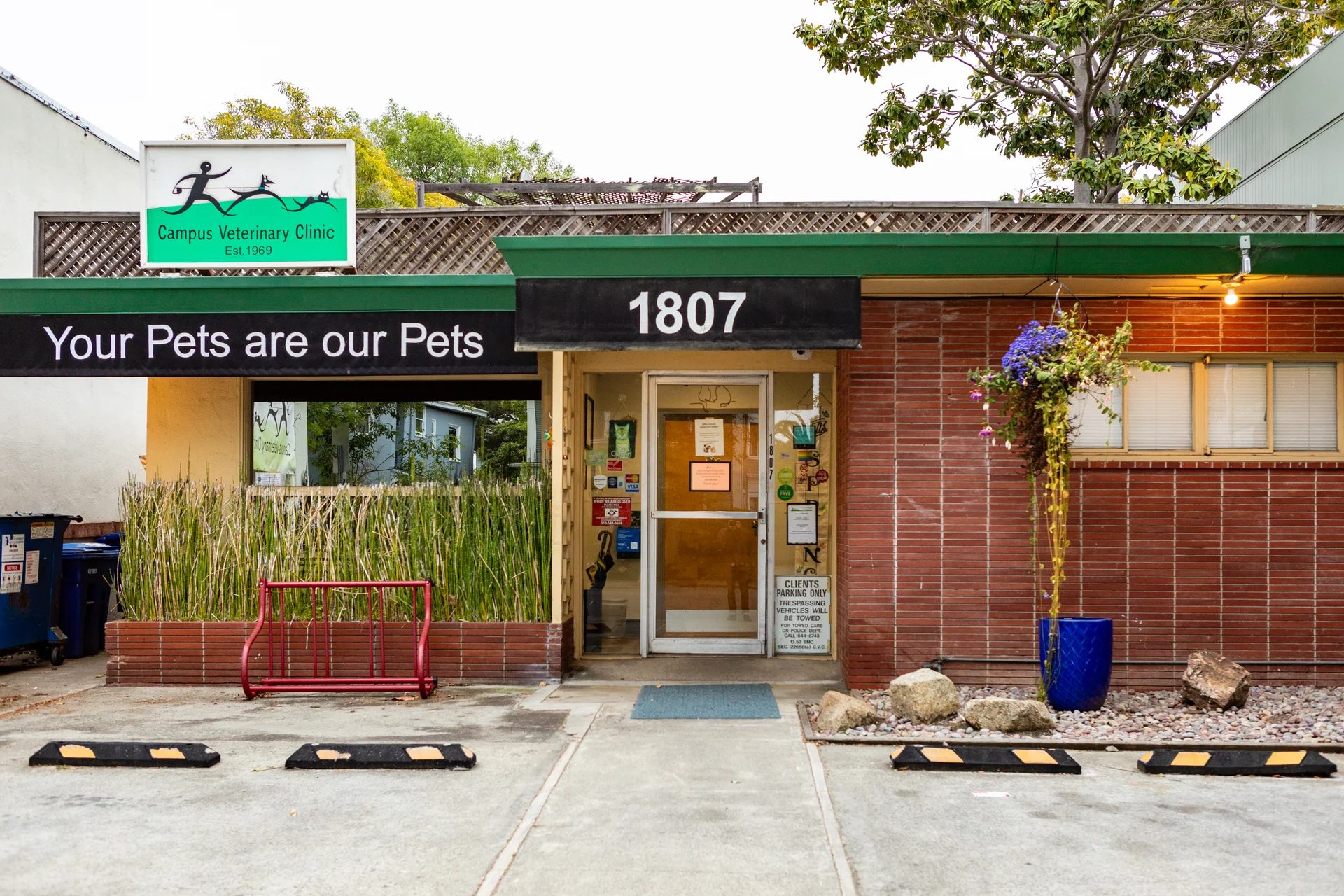
Start at California Jazz Conservatory and head to Campus Veterinary Clinic at 1807 Martin Luther King Jr Way, Berkeley, CA 94709.
The Dying Process in Dogs: Timeline and What to Expect
The timeline varies by dog, but understanding the stages can help you prepare. Most dogs pass within hours to a few days after showing clear signs.
- Early Stage (Days to Weeks Before): Loss of appetite, lethargy, and withdrawal. Your dog may still have good moments. This is the time to make comfort decisions.
- Transition Stage (24–72 Hours Before): Your dog stops eating and drinking entirely. Breathing becomes irregular. They may be unresponsive. Stay close and keep them comfortable.
- Active Dying (Hours Before): Breathing becomes very shallow or gasping. Eyes may be open but unseeing. Your dog may have muscle twitches or be completely still. This is natural.
- Passing: The heart stops. Breathing ceases. Your dog is gone. Stay with them if you can; they know you're there.
Recognizing these signs helps you act with compassion. If you're unsure, call Campus Veterinary Clinic. We're here for you and your dog.
After Your Dog Passes: Cremation Options and Coping with Grief
Planning ahead can ease the burden. Cremation is the most common choice. Costs vary, so ask for a quote.
| Option | Description | Typical Cost (varies) |
|---|---|---|
| Communal Cremation | Your dog is cremated with other pets. No ashes returned. | $50–$150 |
| Individual Cremation | Your dog is cremated alone. Ashes returned in a temporary container. | $150–$300 |
| Private Cremation | Your dog is cremated alone, witnessed if desired. Ashes returned in an urn. | $300–$500+ |
Grief is personal. Allow yourself to mourn. Talk to friends, family, or a pet loss support group. At Campus Veterinary Clinic, we offer compassionate support. Call us to discuss options.
Is My Dog Dying or Just Sick? How to Tell the Difference
A good fit if…
- Your dog has multiple end-of-life signs (loss of appetite, lethargy, breathing changes) and is not improving with treatment.
- Your dog is in pain that cannot be managed.
- Your dog has a terminal diagnosis (cancer, kidney failure).
Consider another option if…
- Your dog has a treatable illness (infection, minor injury) and is responding to medication.
- Your dog has good appetite and energy after treatment.
- Your dog is showing only one sign, like lethargy, and otherwise seems okay.
When in doubt, call your vet. At Campus Veterinary Clinic in Berkeley, we can run diagnostics and help you decide. It's better to ask than to wait.
Signs Your Dog Is Dying of Old Age: Pictures and Visual Guide
Pictures can help you recognize what you're seeing. Look for sunken eyes (dehydration), cloudy eyes (cataracts or organ failure), weight loss (ribs and spine visible), and a hunched posture. A dog that is uncoordinated or unable to stand is likely in the final stage. Breathing changes are visible as labored or irregular breaths. If you're unsure, take a photo and share it with your vet. We can help interpret.
For details on services and visits, see the main page about animal hospital berkeley.
Sources
Also asked as
- What are the signs my dog is dying of old age?
- How do I know if my dog is dying or just sick?
- What does a dying dog look like in pictures?
Frequently asked questions
Is it normal to feel guilty about getting a new dog after losing one?
Yes, guilt is a common emotion. Grief has no timeline. When you're ready, a new dog can honor your previous pet's memory, not replace them.
What are some prayers I can say for my deceased pet?
Many people find comfort in saying a simple prayer: 'Thank you for the love and joy you brought into my life. May you rest in peace.' You can also write your own.
How to comfort someone who has a sick pet?
Listen without judgment. Offer practical help like pet sitting or meals. Avoid saying 'I know how you feel'—instead say 'I'm here for you.'
How to make an old dog comfortable when dying?
Create a quiet, warm space. Offer water and soft food. Stay close and speak gently. Ask your vet about pain medication. Let your dog rest on you if they want.
What do dogs do right before they pass away?
They often become still and unresponsive. Breathing becomes shallow or gasping. Some dogs may have a final sigh. Stay with them if you can.